
 Canada
 USA
USA Japan
Japan


Reduce Assembly Cost with Tape: Industrial Fastening Guide

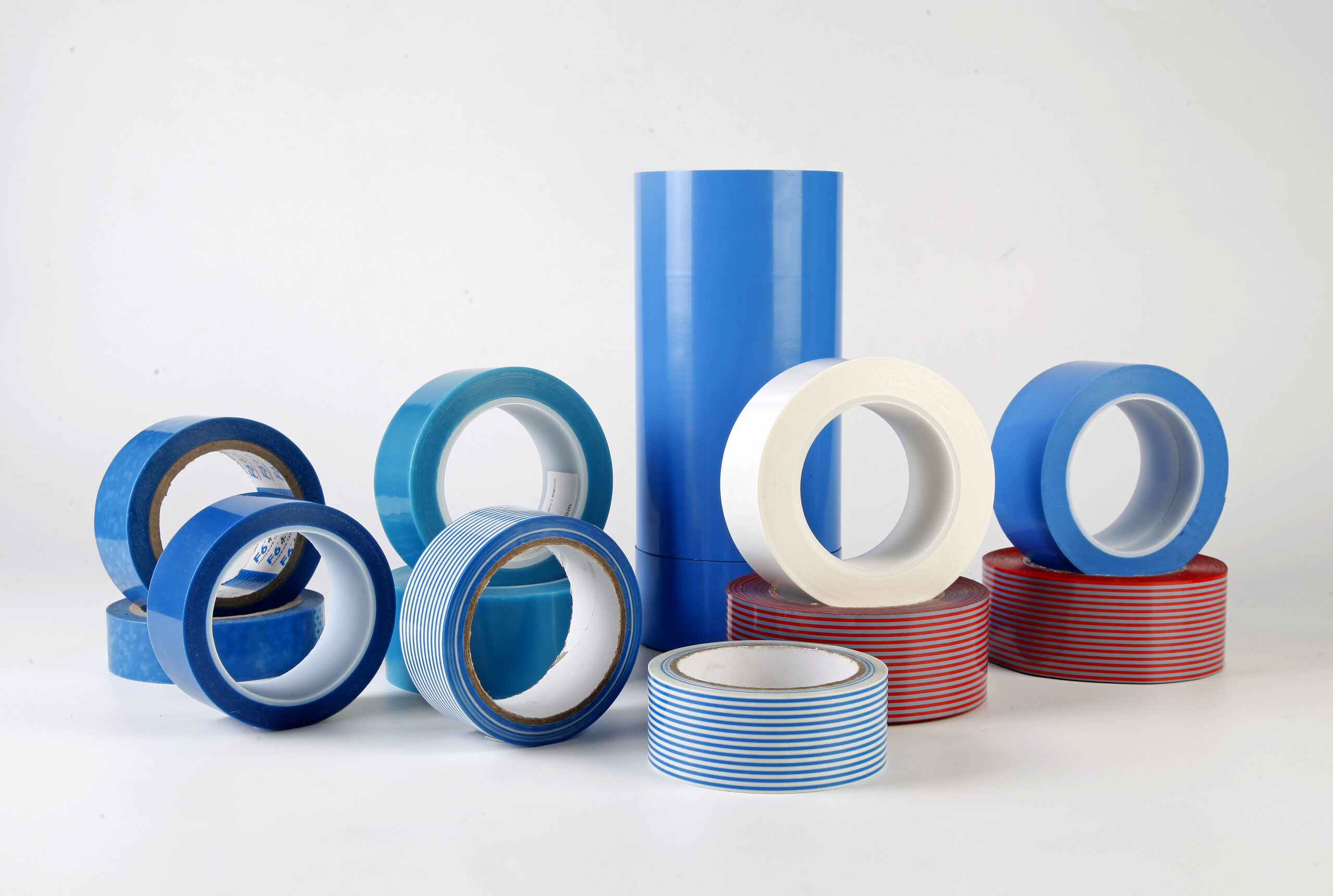
In modern manufacturing and construction, the drive toward operational efficiency often focuses on raw material pricing. However, seasoned project managers and manufacturing consultants recognize that the true cost of an assembly is rarely found in the unit price of a component. Instead, it lies in the labor hours, specialized equipment, and post-processing required for installation. Switching from mechanical fasteners to high-performance adhesive systems is a proven strategy to optimize the bottom line.
To reduce assembly cost with tape, engineers must look beyond the initial roll price and evaluate the Total Cost of Ownership (TCO). Pressure-sensitive adhesives (PSA) and structural tapes eliminate many of the hidden expenses associated with drilling, welding, and liquid adhesives. By streamlining the workflow, industrial tapes provide a faster, cleaner, and more reliable bond that directly impacts production throughput.
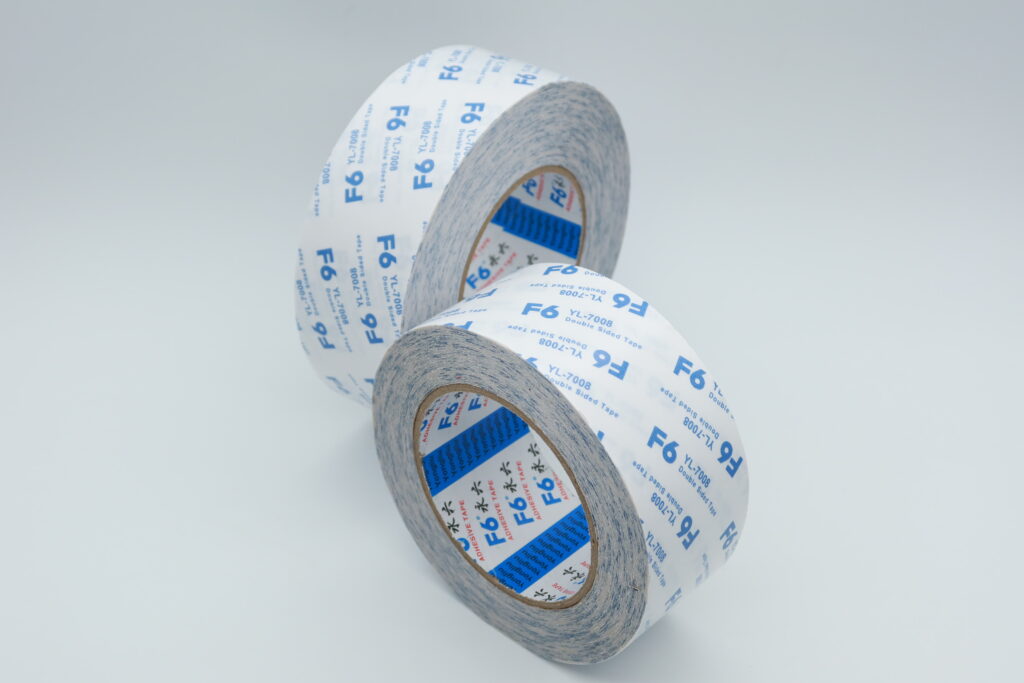
Beyond the Material: The Economic Logic of Adhesive Bonding
The primary driver of cost reduction when using industrial tape is the elimination of secondary operations. Traditional fastening methods—such as rivets, screws, and bolts—require multiple steps: hole punching, deburring, alignment, and final tightening. Each of us knows that in large-volume production, every second saved per unit aggregates into significant annual labor savings.
Industrial tapes offer an “instant bond” characteristic. Unlike liquid glues that require mixing, specialized dispensing equipment, and lengthy curing times, tape provides immediate handling strength. This allows products to move to the next stage of the assembly line without a “work-in-progress” bottleneck. Furthermore, tapes do not require the high-energy consumption of welding or the heavy tooling maintenance associated with mechanical fastening equipment.
Technical Comparison: Mechanical Fasteners vs. Industrial Tape
Understanding the technical delta between traditional methods and adhesive systems is critical for material selection and performance tradeoffs.
| Feature | Mechanical Fasteners (Bolts/Rivets) | Industrial Adhesive Tape |
| Installation Speed | Slow (Drilling/Tightening required) | Fast (Apply and Press) |
| Labor Skill Level | High (Training for specialized tools) | Low (Simplified application) |
| Surface Integrity | Damaged (Holes lead to corrosion) | Preserved (No surface penetration) |
| Stress Distribution | Concentrated at point of fastener | Uniform across the entire bond line |
| Aesthetics | Visible fastener heads | Hidden, seamless finish |
| Equipment Cost | High (Drills, welders, compressors) | Minimal (Roll dispensers or manual) |
Application Scene: Construction and Building Efficiency
In the building and construction sector, the pressure to reduce on-site labor costs is intense. Traditional mechanical systems for mounting facades, insulation, or HVAC components often involve heavy equipment and complex logistics. High-performance construction tapes are revolutionizing these workflows by enabling rapid installation in diverse environments.
For instance, specialized solutions in Building & Construction demonstrate how adhesive technology manages thermal expansion and contraction. Unlike rigid screws that can shear under environmental stress, tape provides a visco-elastic bond. This flexibility reduces long-term maintenance costs and prevents the structural failures often seen in rigid fastening systems. In applications such as vapor barriers or acoustic insulation, tape serves a dual purpose: it acts as the primary fastener and a high-performance seal, eliminating the need for separate caulking or gasket materials.
Technical Considerations: Optimizing Material Selection for ROI
To effectively reduce assembly cost with tape, procurement consultants must match the adhesive chemistry to the substrate’s surface energy. A mismatch can lead to bond failure, resulting in expensive rework or field recalls.
- Surface Energy Analysis: High Surface Energy (HSE) materials like metals are easy to bond. Low Surface Energy (LSE) plastics like polypropylene may require specialized modified acrylic tapes.
- Carrier Types: Foam carriers are excellent for gap filling on uneven surfaces, whereas transfer tapes offer the thinnest, most invisible bond lines.
- Temperature Resistance: For outdoor applications or automotive environments, acrylic-based adhesives are preferred for their superior UV and temperature stability compared to rubber-based alternatives.
By selecting a tape that is “pre-slit” to exact widths or die-cut to specific shapes, manufacturers can further reduce waste. Die-cut components allow for “pick-and-place” automation, which is the gold standard for reducing labor costs in high-speed electronics or automotive assembly lines.
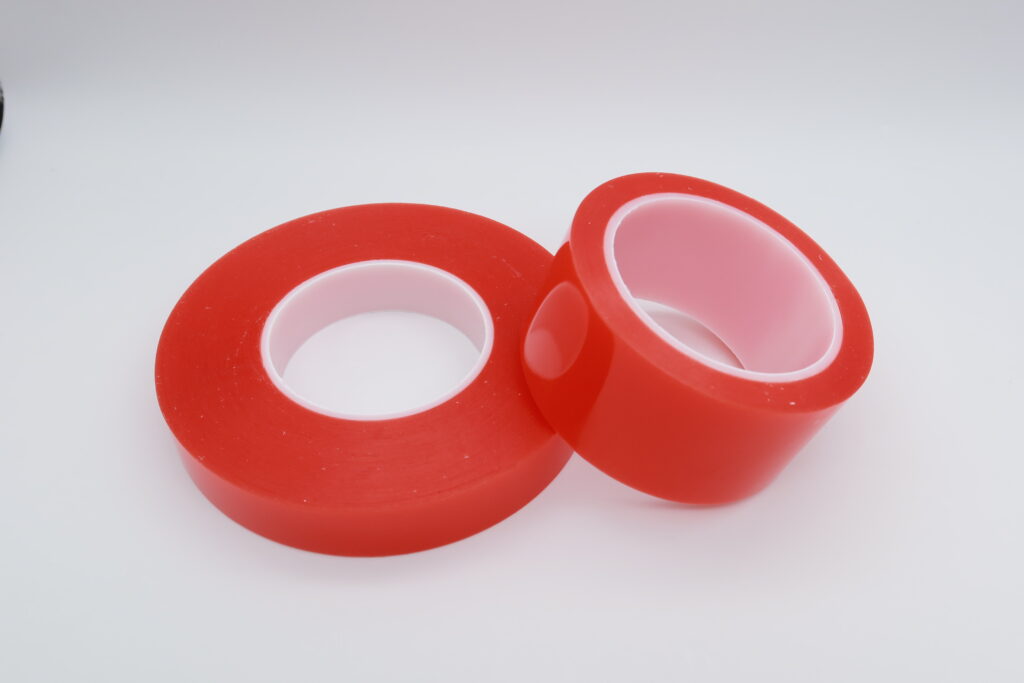
Evaluating Total Cost of Ownership (TCO) in Tape Procurement
When transitioning to adhesive systems, the ROI calculation should include the following variables:
- Labor Reduction: Time saved by eliminating drilling and cleaning.
- Tooling Savings: Reduction in the purchase and maintenance of drills, bits, and welding gases.
- Material Consolidation: Tape can often replace both a fastener and a gasket, reducing the Bill of Materials (BOM).
- Weight Reduction: Adhesives are significantly lighter than metal fasteners, which is a critical cost driver in the automotive and aerospace industries.
Partnering with an OEM-capable supplier ensures that you receive a product tailored to your manufacturing constraints. From customization of adhesive thickness to compliance support for industrial standards, a strategic supplier relationship is the final piece in the cost-reduction puzzle.
FAQ
How does adhesive tape reduce labor costs specifically?
Tape reduces labor by simplifying the assembly process. It eliminates the need for multi-step mechanical fastening (drilling, deburring, screwing) and removes the waiting time required for liquid adhesives to cure. In many cases, it also removes the need for highly skilled workers to operate specialized welding or fastening machinery.
Can tape provide a bond as strong as a screw?
In many applications, yes. While a screw provides high point-strength, industrial tape provides high surface-area strength. By distributing stress across the entire bond line, tape can often outperform mechanical fasteners in environments with high vibration or thermal expansion.
What are the primary cost drivers when switching to tape?
The initial cost driver is the roll price, but the primary savings come from “soft costs”—specifically labor, equipment depreciation, and the elimination of scrap caused by drilling errors.
Is tape suitable for outdoor construction environments?
High-performance acrylic tapes are specifically engineered for outdoor use. They are resistant to UV light, moisture, and extreme temperature fluctuations, making them ideal for building facades and window glazing.
What is the MOQ for customized industrial tape?
Minimum Order Quantities (MOQ) vary based on the carrier material and adhesive type. For standard slit-to-width rolls, MOQs are generally low, while specialized die-cut parts or custom-coated adhesives may require larger volumes to justify tooling and setup costs.
Reference Sources
- ASTM D1000: Standard Test Methods for Pressure-Sensitive Adhesive-Coated Tapes used for Electrical and Electronic Applications.
- ISO 29862: Self-adhesive tapes – Determination of peel adhesion properties.
- SGS Certification: Industrial standards for adhesive toxicity and environmental compliance (RoHS/REACH).
- Technical Whitepaper: Adhesive Bonding vs. Mechanical Fastening in Modern Construction.
- Pressure Sensitive Tape Council (PSTC): Industry benchmarks for adhesive performance and manufacturing logic.