
 Canada
 USA
USA Japan
Japan


Industrial Masking Tape Selection Guide: How to Choose the Right Tape for Painting Applications

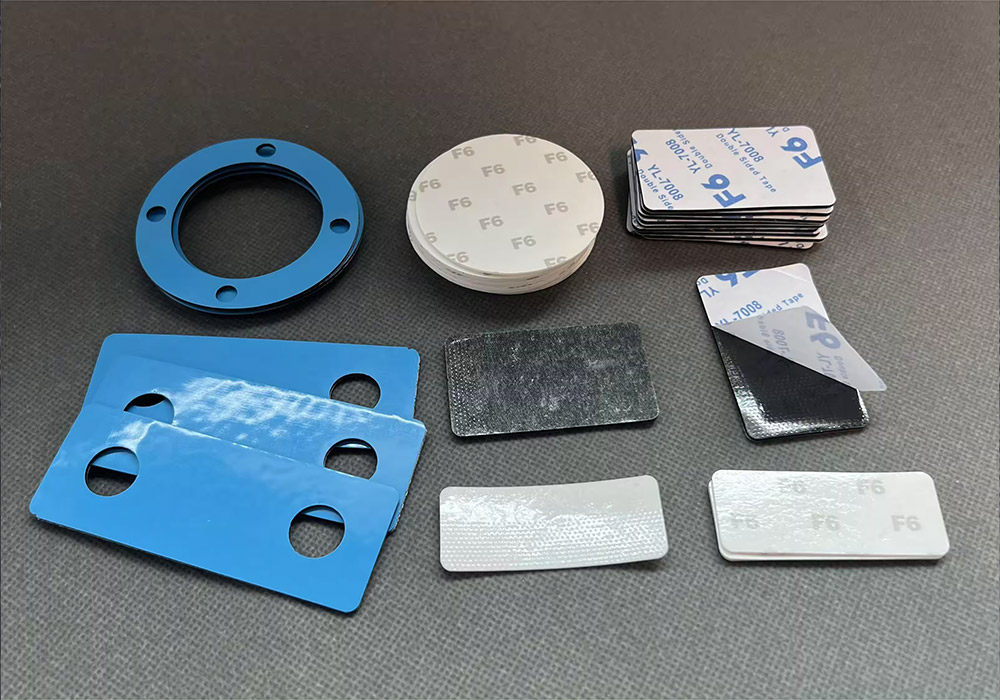
Industrial masking tape is a precision-engineered consumable designed to protect surfaces during coating, plating, and finishing processes. Unlike consumer-grade tapes, the best industrial masking tape must withstand chemical solvents, high-temperature bake cycles, and mechanical abrasion. For facility managers and OEM project managers, tape failure is not just a nuisance; it results in costly rework, surface damage, and production delays.
In high-volume manufacturing, the selection of a masking medium depends on the specific stressors of the production line. Whether you are managing an automotive paint shop or an aerospace finishing facility, understanding the rheology of the adhesive and the tensile strength of the backing is critical. This guide analyzes the technical benchmarks required to specify the correct tape for professional industrial painting.
Core Technical Criteria for Industrial Selection
Selecting the best industrial masking tape requires more than comparing prices per roll. Engineers must audit the tape’s performance against three primary technical pillars: adhesion levels, temperature thresholds, and chemical compatibility.
- Peel Adhesion: Measured in ounces per inch width (ASTM D3330), this determines how securely the tape bonds to the substrate. Too high, and you risk ghosting; too low, and paint bleed occurs.
- Backing Material: Options range from traditional crepe paper to specialized washi (rice paper) and polyester films. Each offers different levels of conformability and “fine line” sharpness.
- Clean Removal: The most critical commercial factor. The adhesive must remain stable during the “bake” and remove without leaving residue or “shredding” upon completion.
Performance Comparison: Industrial Masking Tape Types
For procurement consultants, understanding the trade-offs between different tape architectures is essential for maintaining production efficiency.
| Tape Category | Temperature Limit | Key Advantage | Best Use Case |
| General Purpose Crepe | 60°C – 80°C | Cost-effective, high tack | Room-temp spray painting |
| High-Temp Crepe | 120°C – 160°C | Bake-cycle stability | Automotive OEM painting |
| Washi (Fine Line) | 100°C – 130°C | Ultra-thin, sharp edges | Multi-color masking, detailing |
| Polyester/Polyimide | 180°C – 260°C | Extreme heat & chemical resistance | Powder coating, E-coating |
In large-volume production, washi tapes are increasingly favored for their thin profile. They minimize the “paint ridge” that occurs when thick crepe tapes are used, ensuring a smoother transition between coated and uncoated zones.
Temperature Resistance and Bake Cycles
In automotive and industrial environments, painting often involves a curing phase in an oven. The best industrial masking tape for these scenarios must maintain its physical properties at 150°C (300°F) or higher. Standard adhesives may “bake onto” the surface if the temperature exceeds their rated threshold.
High-temperature masking tapes typically utilize silicone or cross-linked rubber adhesives. These formulations ensure that the tape does not lift during the heat cycle but peels away effortlessly once the substrate has cooled. Sampling delays may occur when testing new bake cycles, so it is vital to verify the “dwell time” at peak temperature.
Substrate Compatibility: HSE vs. LSE Surfaces
Surface energy significantly impacts how an industrial masking tape performs. High Surface Energy (HSE) materials like stainless steel or glass allow for a strong, consistent bond. Conversely, Low Surface Energy (LSE) materials like certain plastics or powder-coated surfaces require a tape with a more aggressive initial tack.
Manufacturing consultants recommend performing a “clean removal” test on the specific production substrate. For outdoor applications or surfaces exposed to UV light, UV-resistant masking tapes are required. Standard rubber-based tapes can turn brittle and leave aggressive residue when exposed to direct sunlight for more than a few hours.
Commercial ROI: Reducing Rework and Labor Costs
From a B2B procurement perspective, the “cheap” roll is often the most expensive. If a tape shreds during removal, a worker must spend valuable labor hours scraping residue. This adds non-value-added time to the manufacturing workflow and increases the risk of damaging the finished paint job.
By investing in high-tier masking tape solutions, companies can achieve a “single-pull” removal. This efficiency is critical for maintaining high throughput in automated paint lines. Furthermore, specialized tapes with high solvent resistance prevent “bleed-through,” ensuring that expensive chemical-resistant coatings do not migrate into protected areas.
Industrial Applications of Masking Tape
Industrial masking tape is widely used in various manufacturing and coating processes. Different industries require specific tape performance based on surface materials, temperature conditions, and application requirements.
Automotive Painting
Automotive masking tape is commonly used in vehicle painting and repair applications. It helps protect specific areas, create clean paint lines, and prevent paint overspray during coating processes.
Metal Fabrication
In metal fabrication industries, masking tape is used for surface protection, painting separation, and coating preparation. The tape needs to provide reliable adhesion while allowing clean removal without damaging metal surfaces.
Powder Coating
Powder coating masking tape is designed for industrial coating environments that require high temperature resistance and stable performance. It helps protect areas that should remain uncoated during the curing process.
Furniture Manufacturing
Furniture manufacturers use masking tape during painting, finishing, and surface treatment processes. Suitable masking tape helps improve production efficiency and achieve better finishing quality.
Selecting the right industrial masking tape based on the application environment can improve coating results, reduce production issues, and enhance overall manufacturing efficiency.
Integrating Specialized Masking into Your Workflow
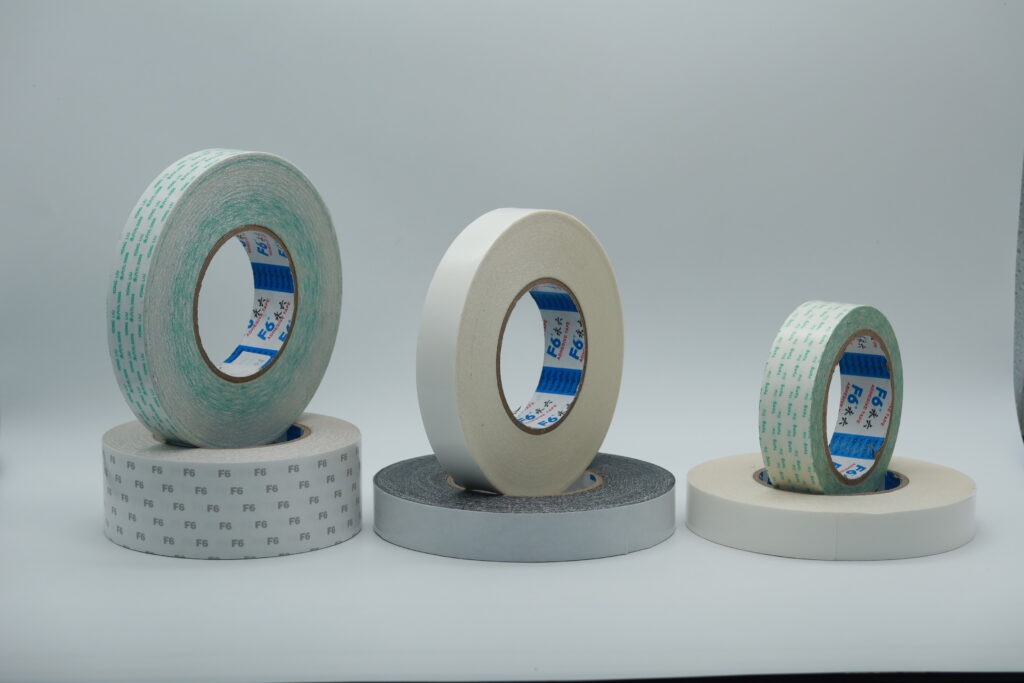
Professional suppliers like F6Tape provide a diverse portfolio of masking media tailored to mechanical industrial fabrication. When evaluating suitability, consider the “conformability” of the tape. If your part has complex curves or deep recesses, a flexible crepe or thin film is necessary to prevent “tenting,” where paint can seep under a lifted edge.
For OEM projects, customizing the width of the tape can significantly reduce material waste. Narrower “fine line” tapes are used for precision borders, while wide “jumbo” rolls are utilized for large-area protection. Aligning the tape dimensions with your painting process is a key step in lean manufacturing optimization.
Types of Industrial Masking Tape for Painting
| Type | Application | Main Feature |
|---|---|---|
| General Purpose Masking Tape | General painting | Cost-effective |
| Automotive Masking Tape | Vehicle painting | Clean edges |
| High Temperature Masking Tape | Baking coating | Heat resistance |
| Powder Coating Masking Tape | Industrial coating | Temperature durability |
| Fine Line Masking Tape | Precision painting | Sharp paint lines |
How to Choose a Reliable Masking Tape Supplier?
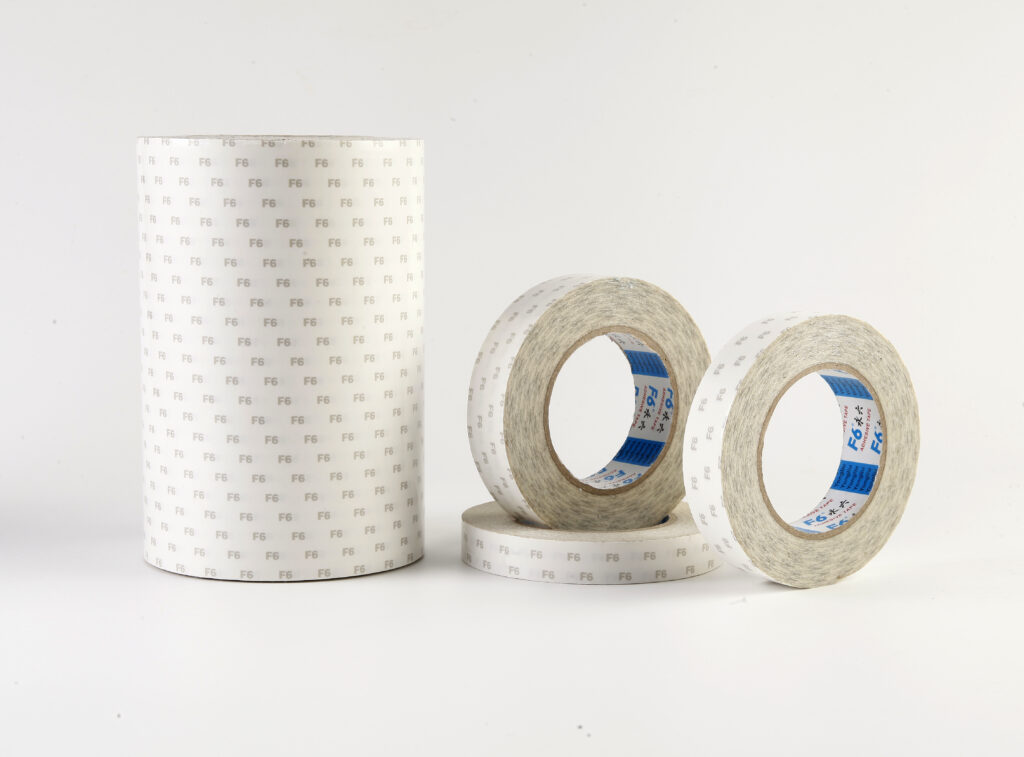
Selecting the right masking tape supplier is important for ensuring product quality, stable supply, and long-term cooperation. Before making a purchasing decision, manufacturers should evaluate several key factors.
Manufacturing Capability
A reliable masking tape supplier should have strong production capacity, advanced manufacturing equipment, and strict quality control processes to ensure consistent product performance and delivery reliability.
Adhesive Technology
The performance of industrial masking tape depends heavily on adhesive technology. Buyers should consider the supplier’s experience in adhesive formulation, product development, and solutions for different industrial applications.
Customization Ability
Different industries may require different tape specifications. A professional masking tape manufacturer should provide customized solutions, including tape size, color, adhesive type, packaging, and application requirements.
Export Experience
For international buyers, export experience is an important factor. Suppliers should understand global market requirements, provide proper documentation, and offer reliable logistics support.
Technical Support
A good supplier should provide technical assistance to help customers select suitable masking tape products based on application conditions, surface materials, temperature requirements, and coating processes.
By evaluating manufacturing capability, adhesive technology, customization options, and technical support, companies can choose a reliable masking tape supplier that meets their long-term production needs.
FAQ
What is the difference between painter’s tape and industrial masking tape?
Painter’s tape is usually optimized for long-term removal (up to 14 days) on residential walls. Industrial masking tape is engineered for shorter durations but higher intensity, including heat exposure, chemical solvents, and high-pressure spraying.
Why does my masking tape leave residue after an oven cycle?
This usually occurs if the tape is rated for a lower temperature than the oven setting, or if it was left on the substrate for too long after cooling. Switching to a silicone-based adhesive or a higher-rated high-temp crepe usually solves this.
Can industrial masking tape be used with water-based paints?
Yes, but you must ensure the backing is moisture-resistant. Standard crepe paper may saturate and tear if used with heavy water-based coatings. Washi or film-backed tapes are generally superior for moisture resistance.
How do I choose the right “tack” level?
High tack is for rough or difficult surfaces, while low tack is for delicate or freshly cured coatings. For most industrial painting, a “medium-high” tack is preferred to ensure the edges don’t lift under the force of compressed air sprayers.
What is the shelf life of industrial masking tape?
Most industrial tapes have a shelf life of 12 months when stored in a cool, dry environment (approx. 21°C and 50% relative humidity). Beyond this, the adhesive may begin to degrade or lose its clean-removal properties.
What is industrial masking tape used for?
Industrial masking tape is mainly used for protecting surfaces, separating paint areas, and supporting coating processes in manufacturing industries.
What masking tape is best for automotive painting?
Automotive masking tape with good adhesion, clean removal, and temperature resistance is commonly used for vehicle painting applications.
How do I choose high temperature masking tape?
Consider the curing temperature, application time, surface material, and required removal performance.
Does masking tape leave residue?
High-quality industrial masking tapes are designed for clean removal without adhesive residue when used under recommended conditions.
Reference Sources
- ASTM D3330: Standard Test Method for Peel Adhesion of Pressure-Sensitive Tape. ASTM.org
- ISO 9001:2015: Quality management systems — Requirements for industrial manufacturing. ISO.org
- PSTC (Pressure Sensitive Tape Council): Industry-standard testing methods and performance benchmarks. PSTC.org
- SAE International: Technical standards for automotive paint and coating applications.
- SGS Certification: Safety and quality validation for industrial chemical consumables.
Summary:
Select the best industrial masking tape by matching temperature ratings and solvent resistance to your bake cycles. High-quality crepe or washi tapes prevent bleed-through and residue, significantly boosting B2B production ROI.