
 Canada
 USA
USA Japan
Japan


How Adhesive Tape Helps Reduce Assembly Costs

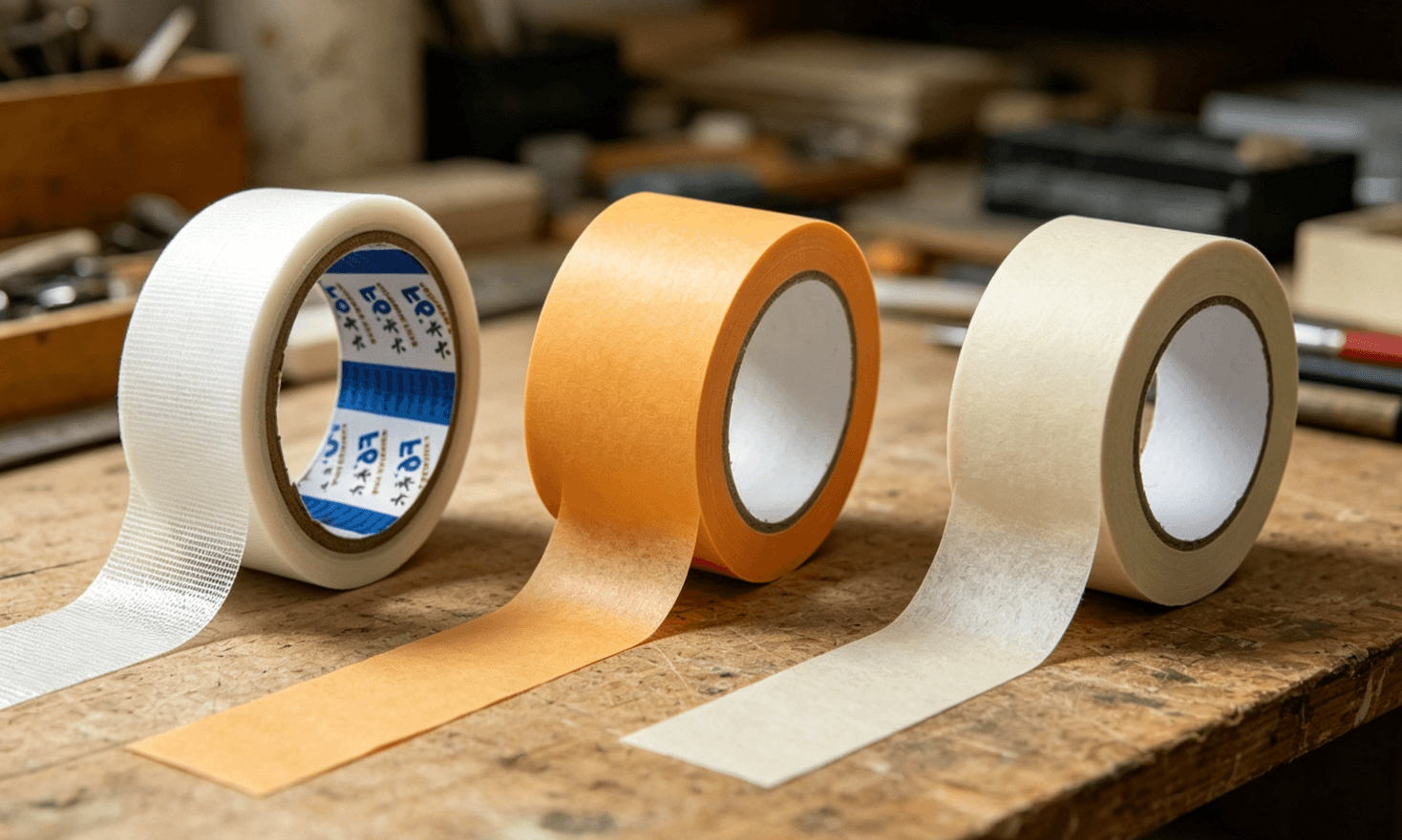
In modern manufacturing, the “cost of assembly” extends far beyond the price of raw materials. It encompasses labor hours, specialized tooling, energy consumption, and the inevitable rework caused by component failure. While mechanical fasteners like screws and rivets have been industry standards for decades, high-performance adhesive tapes—specifically Pressure Sensitive Adhesives (PSAs)—are increasingly viewed by engineers as a primary tool for cost optimization.
Transitioning to tape-based bonding is not merely a material swap; it is a process shift that addresses the “Total Cost of Ownership” (TCO) in production environments.
The Hidden Costs of Traditional Bonding Methods
To understand how to reduce assembly cost with tape, one must first identify the inefficiencies inherent in traditional methods.
- Mechanical Fasteners: These require secondary operations such as drilling, tapping, or punching. Each hole created represents a point of potential structural weakness and a localized stress concentrator. Furthermore, fasteners add significant weight and require inventory management of multiple SKUs (screws, washers, nuts).
- Liquid Adhesives: While effective for permanent bonds, liquids often necessitate long curing cycles, specialized dispensing equipment, and rigorous VOC (Volatile Organic Compound) management. The “hidden cost” here is the floor space occupied by work-in-progress (WIP) items waiting to cure.
- Welding and Soldering: These are energy-intensive processes that require skilled labor and often lead to thermal distortion of thin substrates, requiring additional finishing steps like grinding or painting.
How Pressure Sensitive Adhesives (PSA) Lower Production Overhead
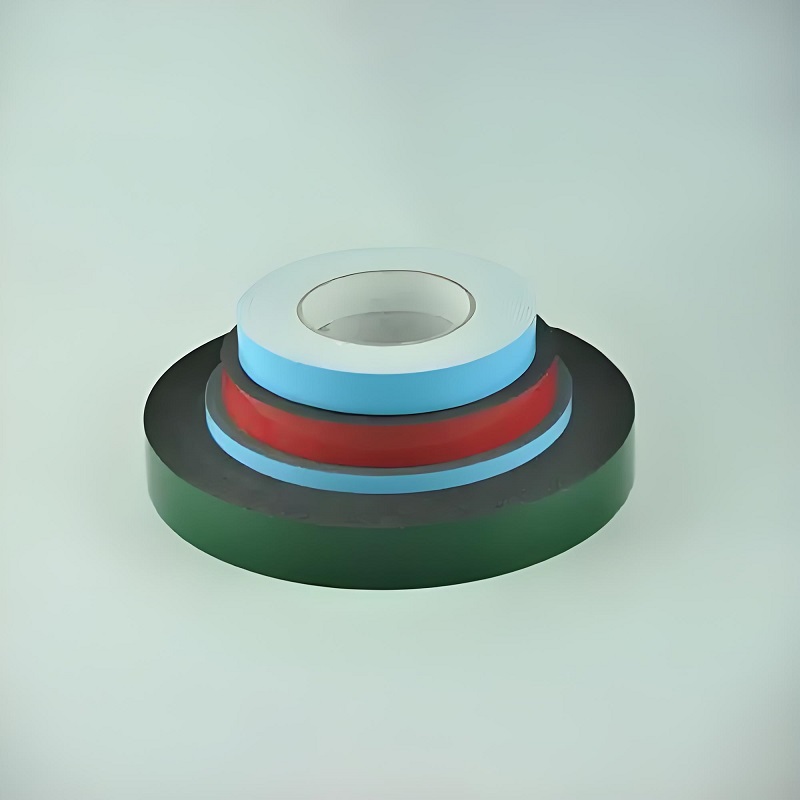
Adhesive tapes, such as the F5015 Ultra Viscosity Tissue Double Sided Tape, offer a streamlined alternative that impacts several cost centers simultaneously.
1. Reduction in Cycle Time
The most immediate impact of tape on the bottom line is the elimination of curing time. PSAs provide an “instant bond.” As soon as pressure is applied, the assembly can move to the next stage of the production line. This increases throughput without requiring additional floor space for drying racks or ovens.
2. Elimination of Secondary Operations
Using tape removes the need for drilling and surface refinishing. For instance, when bonding decorative panels or electronic components, tape maintains the integrity of the surface. There are no screw heads to hide and no weld scars to grind down. This “clean” assembly process directly reduces labor-intensive finishing stages.
3. Simplified Tooling and Maintenance
Liquid dispensing systems require regular cleaning, calibration, and part replacement to prevent clogging. In contrast, tape application tools range from simple hand dispensers to automated pick-and-place systems that require minimal maintenance. For high-volume projects, tape can be supplied in die-cut formats, precisely matching the component shape to eliminate manual trimming and material waste.
Technical Comparison: Tape vs. Mechanical vs. Liquid
| Cost Factor | Mechanical Fasteners | Liquid Adhesives | Industrial Adhesive Tape |
| Initial Tooling | High (Drills/Presses) | High (Dispensing Pumps) | Low to Moderate |
| Labor Skill Level | Moderate | High (Chemical handling) | Low |
| Cure/Set Time | None | High (Minutes to Hours) | Instant |
| Surface Aesthetics | Poor (Visible heads) | Good | Excellent (Invisible) |
| Stress Distribution | Point-loading | Uniform | Uniform |
| Weight Impact | Significant increase | Minimal | Negligible |
Material Selection: Why the “Carrier” Matters for Cost
When looking to reduce assembly cost with tape, the choice of the “carrier” (the material holding the adhesive) is critical.
The F5015 Ultra Viscosity Tissue Tape utilizes a tissue paper carrier. In an industrial context, tissue carriers offer several cost-saving advantages:
- Hand-Tearability: In manual assembly lines, operators can apply and tear the tape without needing cutting tools, speeding up the workflow.
- Conformability: The thin, flexible nature of tissue allows it to bond to irregular or slightly textured surfaces where a rigid film tape might lift, reducing the risk of bond failure and expensive RMAs (Return Merchandise Authorizations).
- High Viscosity Bonding: With a high-tack adhesive (viscosity), the tape can bond to low-surface-energy (LSE) plastics and oily metals that usually require expensive chemical primers. By eliminating the primer step, manufacturers save on both material costs and labor time.
Stress Distribution and Fatigue Life
Engineers often overlook the long-term cost of maintenance. Mechanical fasteners concentrate stress at the bolt hole, which can lead to fatigue cracking over time. Adhesive tapes distribute the load across the entire surface area of the bond.
This uniform distribution allows for the use of thinner, lighter, and less expensive substrates. For example, a manufacturer might switch from a 2mm aluminum sheet to a 1.2mm sheet because the adhesive bond provides the necessary structural rigidity without the risk of “pull-through” associated with rivets. This “down-gauging” of materials can result in double-digit percentage savings on raw material costs.
Environmental and Safety Savings
Reducing assembly costs also involves mitigating risk and regulatory compliance costs.
- Lower VOCs: Unlike many liquid glues, high-quality industrial tapes are solvent-free or have extremely low emissions. This reduces the need for expensive ventilation systems and PPE (Personal Protective Equipment).
- Waste Management: Tapes are pre-applied in precise amounts. There is no “over-squeeze” or “drip” that occurs with liquids, which means less cleaning solvent is used and less hazardous waste is generated.
Practical Implementation: Integrating Tape into the Workflow
To successfully implement tape and achieve cost targets, consider the following engineering steps:
- Surface Energy Analysis: Identify if the substrate is High Surface Energy (HSE) like stainless steel or Low Surface Energy (LSE) like polyethylene. High-viscosity tissue tapes are often the most cost-effective “all-rounders” for mixed-material bonding.
- Automation Compatibility: If the volume exceeds 50,000 units/year, consider spool-wound tapes. These allow for longer continuous runs on automated lines, reducing downtime for roll changes.
- Die-Cutting: For complex geometries, use pre-cut adhesive gaskets. While the piece price is higher than a roll, the labor savings and zero-waste precision usually result in a lower total part cost.
FAQ
Q: Is adhesive tape strong enough to replace screws in structural applications?
A: While it depends on the load, many modern PSAs and structural tapes are designed to handle significant shear and peel forces. In many cases, the tape bond is stronger than the substrate itself. For high-stress environments, engineers use tapes to distribute the load, often outperforming point-load fasteners in vibration resistance.
Q: How does temperature affect the cost-effectiveness of tape?
A: If a tape fails due to temperature, the “cost” of the assembly skyrockets due to repairs. It is vital to select a tape based on the operating environment. Products like the F5015 are designed for stability across a wide range of ambient temperatures, but specialized acrylic tapes should be used for extreme heat (above 150°C).
Q: Doesn’t die-cutting make the tape more expensive?
A: The “unit price” of a die-cut part is higher than the equivalent area of tape on a roll. However, die-cutting eliminates manual labor (cutting/trimming) and ensures 100% consistency. In 90% of industrial cases, the labor savings far outweigh the material premium.
Q: Can tape bond to oily or “dirty” surfaces?
A: While clean surfaces are always preferred, high-viscosity “ultra-tack” tapes are engineered to absorb small amounts of surface contaminants. This can sometimes eliminate the need for an intensive degreasing station, further reducing assembly steps.
Reference Sources
- ASTM D3330: Standard Test Method for Peel Adhesion of Pressure-Sensitive Tape. astm.org
- Pressure Sensitive Tape Council (PSTC): Technical resources for tape bonding and surface energy. pstc.org
- ISO 9001:2015: Quality management systems in manufacturing and assembly processes. iso.org
- Adhesives & Sealants Industry (ASI): Whitepapers on “Total Cost of Bonding” and assembly optimization. adhesivesmag.com