
 Canada
 USA
 Japan



Temperature Resistant Adhesive Tape Selection for Industrial Use

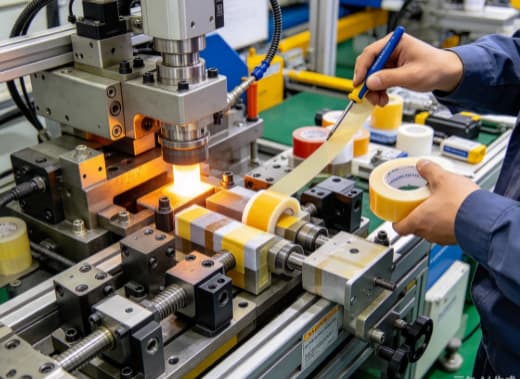
Temperature resistant adhesive tape is used when ordinary tape may soften, lose adhesion, leave residue or fail under heat exposure. For industrial buyers, the key is not simply asking for “high temperature tape”, but defining the temperature range, exposure time, surface material and performance requirement.
F6Tape suppliesindustrial adhesive tape productsfor different application needs. Buyers should confirm whether the project requires heat resistance, clean removal, insulation support, holding strength or masking performance.
What temperature resistance really means
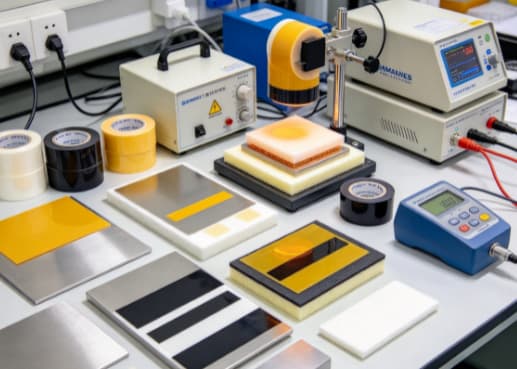
Temperature resistance can mean different things in different projects. Some tapes need to survive short-term heat during processing. Others need to remain bonded during long-term service. A tape may resist heat for a short time but fail when exposed for a longer period.
Buyers should define:
- Maximum temperature
- Continuous or short-term exposure
- Surface material
- Load during exposure
- Indoor or outdoor condition
- Residue requirement after removal
- Required tape thickness and size
Without these details, a supplier cannot accurately recommend a tape structure.
Selecting tape by application
Heat can affect adhesive flow, backing stability, liner release and residue. Test the tape under the actual or simulated process conditions. If you apply the tape before heat exposure, surface pressure and dwell time may also affect the result. To mount components on uneven or textured surfaces, foam double-sided tape is often a better choice, but its heat resistance should be verified carefully before use.
Why test conditions matter
Heat can affect adhesive flow, backing stability, liner release and residue. A tape should be tested under the actual or simulated process condition. If the tape is applied before heat exposure, surface pressure and dwell time may also affect the result.
The general principle of pressure sensitive adhesives is that bonding depends on contact and pressure. 3M’s pressure sensitive adhesive tape chemistryprovides helpful background for understanding how PSA tapes form bonds without liquid curing.
RFQ checklist for temperature resistant tape
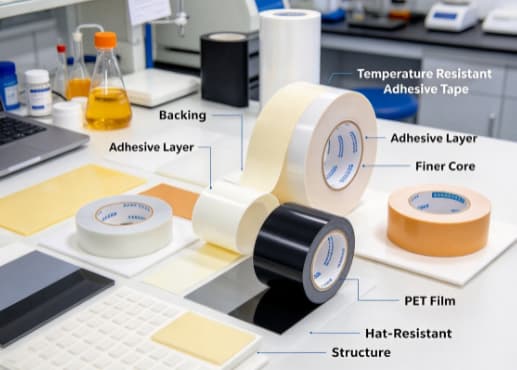
When requesting a quote, include temperature range, exposure duration, surface material, tape size, quantity, removal requirement, packaging and whether the tape is used during processing or in the final product. If there is an existing tape failure, describe the failure clearly: lifting, residue, shrinkage, adhesive transfer or backing damage.
FAQ
Is all high temperature tape the same?
No. Temperature resistance depends on backing, adhesive, exposure time, surface and load. Different applications need different tape structures.
What causes tape failure under heat?
Possible causes include adhesive softening, poor surface contact, unsuitable backing, excessive load, contamination or exposure beyond the tape’s suitable range.
Should buyers test before bulk orders?
Yes. Testing under real or simulated temperature conditions is important before confirming a bulk order.