
 Canada
 USA
USA Japan
Japan

Water Based Adhesive Tape vs Solvent: Industrial Guide

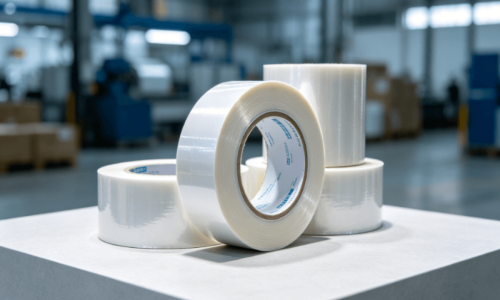
Choosing the right adhesive chemistry is a critical decision for manufacturing and logistics managers. The debate between water based adhesive tape and solvent-based alternatives often dictates the success of packaging or assembly. Each formulation offers distinct mechanical properties and environmental profiles. Selecting the wrong tape can lead to bond failure, increased downtime, or regulatory non-compliance.
The fundamental difference lies in the carrier fluid used to suspend the adhesive polymers. Water-based tapes utilize water to carry the acrylic resins, while solvent-based tapes use chemical hydrocarbons. This technical distinction impacts how the adhesive cures and how it interacts with different substrates. Understanding these nuances is essential for achieving long-term bond reliability in high-volume industrial environments.
At F6 Tape, we specialize in engineering adhesive solutions that balance performance with cost-efficiency. Our extensive product range includes various formulations designed for specific load-bearing and environmental requirements. We work closely with OEM partners to determine which chemical system provides the highest ROI for their unique applications.
How do water based and solvent adhesives differ technically?
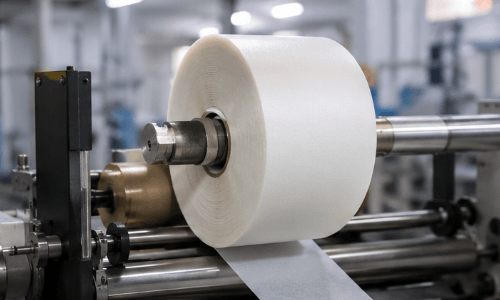
Water-based adhesives, often referred to as emulsion acrylics, are created by dispersing adhesive particles in water. As the water evaporates during the manufacturing process, the polymers fuse to create a solid bond. This process is generally cleaner and produces significantly fewer volatile organic compounds (VOCs). These tapes are favored in industries where environmental impact and worker safety are high priorities.
Solvent-based adhesives involve dissolving natural or synthetic resins in a chemical solvent like toluene or ethyl acetate. When the solvent evaporates, it leaves behind a more aggressive and immediate bond. This chemical carrier allows for a higher “initial tack” compared to many water-based counterparts. However, the production process is more energy-intensive and requires specialized equipment to capture chemical vapors.
From a molecular perspective, solvent adhesives tend to have longer polymer chains. This structure often results in better resistance to extreme temperatures and chemical exposure. Conversely, water-based tapes offer superior resistance to UV light and oxidative aging. These technical trade-offs mean that “best” is always relative to the specific stressors of your application environment.
Performance comparison: A technical breakdown for engineers
When evaluating tape for industrial use, engineers must consider shear strength, peel adhesion, and environmental resistance. Solvent adhesives generally excel in high-stress environments where the tape must bond to recycled corrugated or oily surfaces. They remain functional in sub-zero temperatures and high-moisture conditions common in cold storage logistics.
Water based adhesive tape has made significant technological leaps in recent years. Modern acrylic emulsions provide excellent clarity and will not yellow over time when exposed to sunlight. They are ideal for long-term storage where the bond needs to remain stable for months or years. While they may take longer to reach full bond strength, their longevity is often superior.
| Performance Metric | Water Based Adhesive Tape | Solvent Based Adhesive Tape |
| Initial Tack | Moderate | High |
| UV Resistance | Excellent | Moderate to Poor |
| Cold Temp Performance | Fair | Excellent |
| Chemical Resistance | Moderate | High |
| Long-term Aging | High Stability | Risk of Embrittlement |
| Cost Efficiency | High | Moderate |
For standard corrugated box sealing, water-based options are typically the most economical choice. However, if your production floor experiences high dust levels or extreme temperature fluctuations, solvent-based tapes are often necessary. We help our clients test these materials under real-world stress to ensure the chosen tape meets the required safety factors.
Which industrial applications favor water based adhesive tape?
The packaging industry is the largest consumer of water-based acrylic tapes. Because they are cost-effective and environmentally friendly, they are the standard for most automated carton sealing machines. Their resistance to UV radiation makes them perfect for goods that may sit in outdoor loading docks or retail windows. They provide a reliable seal that improves over time as the adhesive sets.
In the electronics and medical device sectors, the low VOC profile of water-based systems is a major advantage. These industries often require “clean” adhesives that do not outgas harmful chemicals into sensitive components. Furthermore, the clarity of water-based acrylics is vital for applications involving transparent films or labels. It ensures that branding and regulatory information remain legible throughout the product lifecycle.
Construction and automotive industries also utilize water-based tapes for interior components. The lack of residual chemical odor is a key benefit for passenger cabin comfort. As global regulations tighten regarding chemical emissions, many of our clients are transitioning to high-performance water-based systems. We provide the technical documentation needed to support these sustainability transitions.
When should you prioritize solvent based tape?
Solvent-based tapes are the “workhorses” for challenging environments where failure is not an option. In the heavy machinery and aerospace sectors, tapes must withstand exposure to oils, fuels, and hydraulic fluids. The aggressive chemical nature of solvent adhesives allows them to “wet out” on difficult surfaces better than water-based versions. This results in a much faster bond on low-surface-energy plastics.
Cold chain logistics is another area where solvent-based systems are indispensable. Water-based adhesives can become brittle and lose their grip in freezing temperatures. Solvent formulations remain flexible, ensuring that food and pharmaceutical packaging remains intact during refrigerated transport. If your facility operates at temperatures below 5°C (41°F), solvent-based tape is the recommended standard.
High-recycled content in cardboard also poses a challenge for many adhesives. The shorter fibers and residual oils in recycled paper can resist water-based bonds. Solvent tapes bite into these fibers more effectively, providing a secure seal that prevents pilferage and damage. At F6 Tape, we analyze your substrate materials to determine if a solvent-based solution is required for safety.
Cost-benefit analysis for procurement managers
Procurement for industrial tape involves more than just the price per roll. You must consider the “cost of failure,” which includes damaged goods, returned shipments, and labor costs. Water based adhesive tape generally offers the lowest upfront cost per square meter. This makes it the preferred choice for high-volume, low-margin packaging operations where environmental conditions are controlled.
Solvent-based tapes carry a higher price tag due to the cost of raw materials and complex manufacturing. The energy required to reclaim solvents during production adds to the overhead. However, in applications where a water-based tape might fail, the solvent option is actually more cost-effective. Preventing even a single percentage of package failures can often justify the higher initial investment.
We recommend a holistic view of the supply chain when making this choice. By auditing your application process, our team can identify where you can save money with water-based systems and where you must invest in solvent performance. Our goal is to ensure your production line runs at maximum efficiency without unnecessary material waste.
Why technical support matters in tape selection
Selecting an adhesive is not a “one size fits all” process. Factors such as application speed, pressure, and dwell time significantly impact how an adhesive performs. For example, an automated taper applies much more consistent pressure than manual application, which can influence which adhesive chemistry is most effective. Technical consultation helps avoid the trial-and-error phase that costs companies time and money.
At F6 Tape, we pride ourselves on being more than just a supplier; we are a manufacturing partner. We provide detailed specifications and testing data for our entire product lineup. Our engineers can help you navigate the complexities of surface energy and environmental stress factors. This expert guidance ensures that the tape you choose today will not fail in the field tomorrow.
Ultimately, the shift toward sustainable manufacturing is driving more innovation in water-based technology. We are at the forefront of this shift, offering high-shear water-based tapes that rival traditional solvent performance. Whether you need the aggressive grip of a solvent or the eco-friendly profile of an acrylic emulsion, we have the manufacturing capacity to support your scale.
FAQ
Q: Can water based adhesive tape be used for heavy-duty shipping?
A: Yes, high-grade water based adhesive tape is suitable for heavy-duty shipping if the cartons are stored in temperature-controlled environments. However, for extremely heavy loads or rough handling in cold climates, solvent-based or reinforced tapes are often more reliable due to their higher initial shear strength.
Q: Is solvent-based tape being phased out due to environmental regulations?
A: While there is a strong global push toward water-based systems to reduce VOC emissions, solvent-based tape is not being phased out entirely. It remains essential for specialized industrial applications where no water-based alternative can yet match its performance in extreme cold or chemical exposure.
Q: How can I tell if my current tape is water-based or solvent-based?
A: Solvent-based tapes usually have a distinct chemical odor when the roll is first opened. Water-based acrylic tapes are generally odorless. Additionally, solvent-based tapes often have a slight yellow or amber tint, whereas water-based acrylics are typically crystal clear and do not yellow over time.
Q: Does water-based tape require more pressure to stick?
A: Acrylic water-based adhesives are “pressure-sensitive,” meaning they require firm, even pressure to achieve a full bond. While they may feel less “sticky” to the touch than solvent tapes, the bond strength increases over the first 24 hours as the adhesive fully wets the surface.
Q: Which tape is better for recycled cardboard?
A: Solvent-based tape is generally better for recycled cardboard because it penetrates the shorter, more oily fibers of recycled paper more effectively. However, specifically formulated high-tack water based adhesive tape can also work well if the recycled content is not excessively high.
Reference Sources
- ASTM D3330 – Standard Test Method for Peel Adhesion of Pressure-Sensitive Tape
https://www.astm.org/d3330_d3330m-04r18.html - ISO 9001:2015 – Quality Management Systems Requirements for Manufacturers
https://www.iso.org/standard/62085.html