
 Canada
 USA
USA Japan
Japan


What Is Slitting and Rewinding in Tape Production

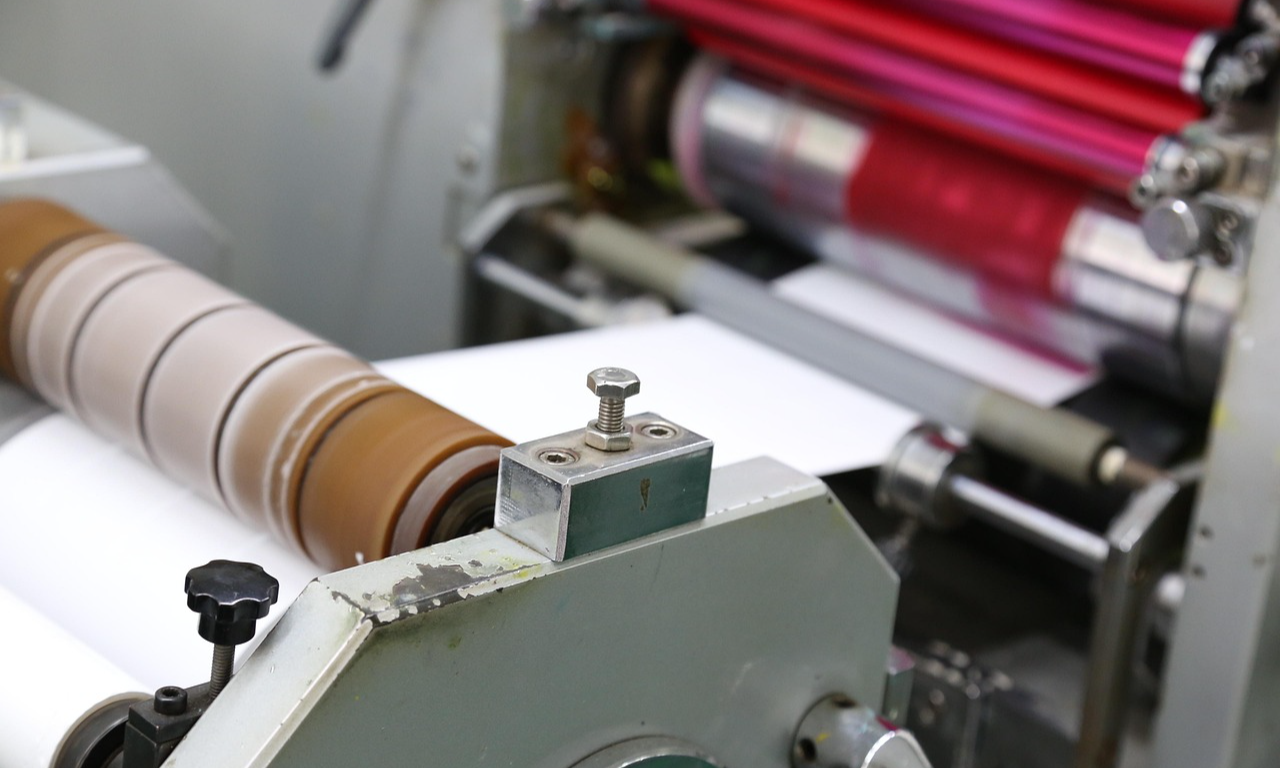
Slitting and rewinding are essential steps in the manufacturing of adhesive tapes. This process converts large “jumbo” rolls into the smaller, finished rolls used by consumers. Manufacturers start with rolls that can be several meters wide. These massive rolls are difficult to use in daily applications.
The tape slitting rewinding process ensures that tape products meet specific width and length requirements. It involves high-speed machinery designed for precision and consistency. Without this process, providing customized adhesive solutions for electronics or automotive industries would be impossible.
Precision is the hallmark of modern tape finishing. Modern machines can handle delicate materials like PET, polyimide, and copper foil. These materials require careful handling to maintain their physical properties. Understanding this process helps businesses choose the right tape for their technical needs.
Understanding the Tape Slitting Rewinding Process
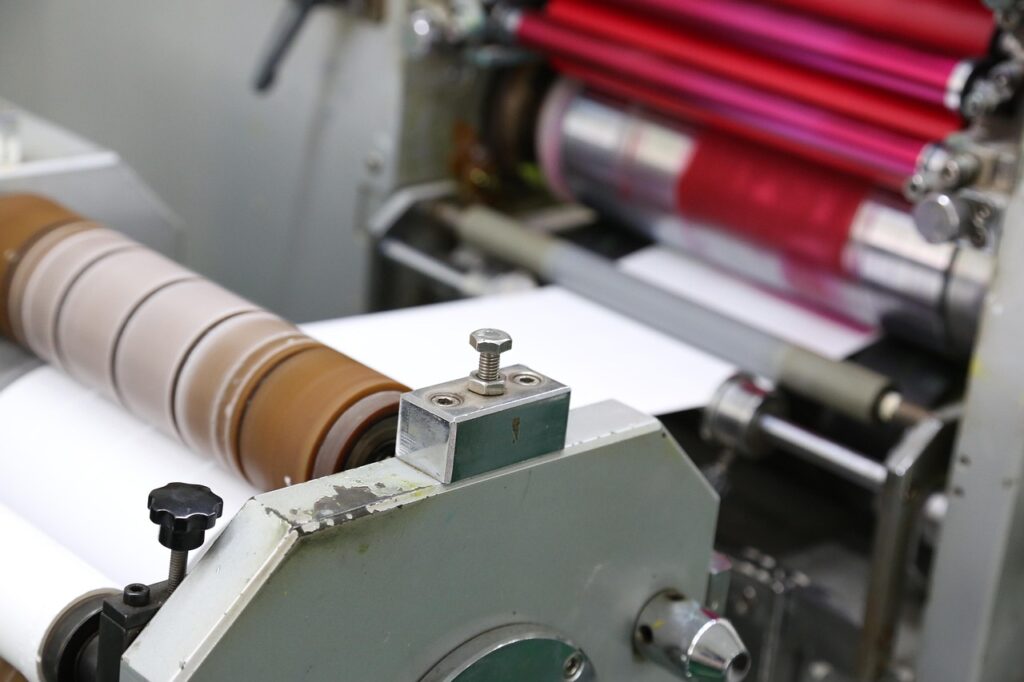
The tape slitting rewinding process begins with an unwind station. A large master roll is loaded onto a mandrel. As the roll unwinds, the tape passes through a series of tension rollers. These rollers prevent the material from wrinkling or stretching during the procedure.
The core of the operation is the slitting section. Here, sharp blades or circular knives cut the wide web into narrower strips. The number of blades determines how many individual rolls are produced simultaneously. High-performance systems can achieve width tolerances as tight as +/- 0.1 mm.
After cutting, the narrow strips move to the rewind station. They are wound onto individual plastic or paper cores. Proper tension control at this stage is vital for the final product. If the tension is too high, the tape may stretch or snap. If it is too low, the roll will be soft and prone to telescoping.
Comparing Common Slitting Methods for Adhesives
Different materials require different cutting techniques to ensure clean edges. Razor slitting is a common method for thin films and plastic tapes. A stationary razor blade slices through the moving web of material. This method is cost-effective but can generate heat, which may affect certain adhesives.
Shear slitting uses two rotary knives that act like scissors. One knife is positioned above the web and one below. This method is ideal for thicker materials and multi-layer tapes. It produces very clean edges and minimizes dust or debris during the cut.
Crush slitting, also known as score slitting, involves a circular knife pressing against a hardened steel roll. The pressure “crushes” the material to separate it. This technique is often used for non-woven tapes or materials with irregular surfaces. The choice of method depends entirely on the tape’s carrier material and adhesive thickness.
| Slitting Method | Best For | Precision Level | Speed Capability |
| Razor Slitting | Thin films (PET, PP) | High | Medium |
| Shear Slitting | Thick tapes, foils | Very High | High |
| Crush Slitting | Non-wovens, foams | Medium | High |
Key Factors Influencing Slitting Quality and Precision
Tension control is the most critical variable in the tape slitting rewinding process. Manufacturers use sophisticated sensors to monitor tension in real-time. Consistent tension ensures that the adhesive does not ooze from the sides of the roll. It also ensures the tape remains easy to unwind for the end-user.
Blade sharpness also plays a massive role in quality. Dull blades can create “burrs” or ragged edges on the tape. These imperfections can lead to tearing when the tape is applied by automated machinery. In the electronics industry, even a tiny edge defect can cause a component failure.
Static electricity is another challenge during high-speed rewinding. Friction between the tape and the rollers creates static charges. These charges can attract dust or cause the tape to stick to itself prematurely. Advanced production lines use ionizing bars to neutralize static throughout the process.
Log Slitting vs. Rewind Slitting: Which Is Better?
Log slitting is a distinct alternative to the standard tape slitting rewinding process. In log slitting, a wide roll is first wound onto a core to the desired length. The entire “log” is then placed on a lathe. A large circular blade cuts through the entire roll from the outside in.
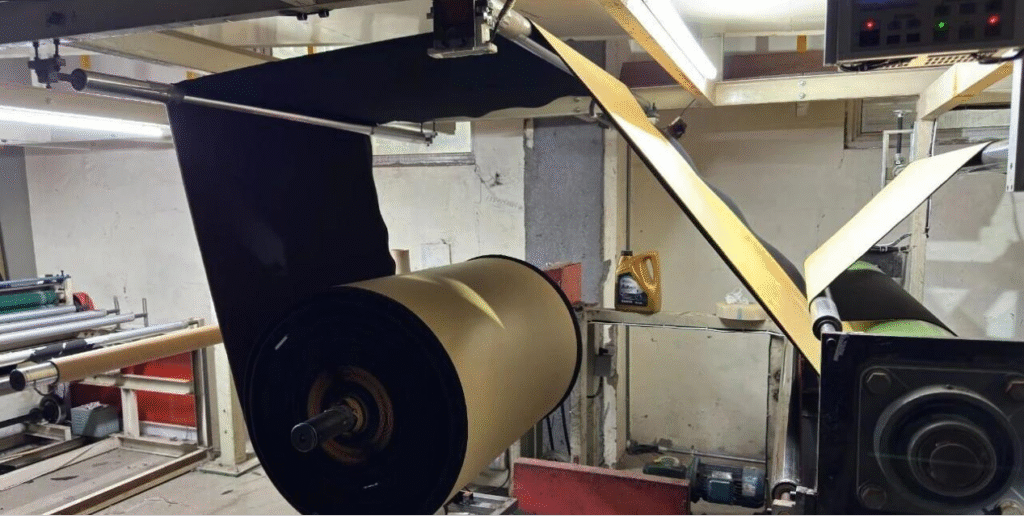
This method is highly efficient for producing many rolls of the same width. It eliminates the need for complex threading through multiple rollers. However, log slitting is generally limited to tapes with consistent density. It is often used for masking tapes and standard packaging tapes.
Rewind slitting remains the standard for high-performance industrial tapes. It allows for better inspection of the material during the process. If a defect is found in the jumbo roll, the operator can remove it before rewinding. This ensures that every finished roll meets the highest quality standards.
How to Evaluate Tape Quality Based on Slitting Precision
When selecting an adhesive product, you must evaluate the quality of the slitting. A high-quality tape will have perfectly flat sides with no visible gaps between layers. Look for “telescoping,” where the inner layers of the tape push outward. This is a sign of poor tension control during the rewinding phase.
Check the edges of the tape for adhesive “bleed.” If the tape was slit under too much pressure, the adhesive might squeeze out. This makes the roll sticky on the sides and difficult to handle. For precision applications like PCB masking, clean edges are mandatory to prevent contamination.
The core quality is also a helpful indicator. A well-slit roll will be firmly attached to a clean, crush-resistant core. If the core is deformed, the tape may not fit properly on automated dispensers. Understanding these standards helps you identify manufacturers who prioritize technical excellence in their finishing processes.
To find the best solutions, explore various product categories that utilize these techniques. You can view professional-grade options at F6 Tape Products, which features a range of specialized adhesive materials. These include high-temperature polyimide tapes and conductive foils that require extreme slitting accuracy.
Summary
The tape slitting rewinding process is the bridge between raw material production and a finished industrial tool. By using methods like shear or razor slitting, manufacturers ensure every roll meets strict dimensional tolerances. High-quality slitting prevents edge defects, maintains proper tension, and ensures the adhesive performs reliably in demanding environments.
FAQ
Q:What is the main purpose of rewinding in tape production?
Rewinding converts large master rolls into shorter lengths that are manageable for end-users. It also allows for the inspection of tape quality and the application of proper tension to the final roll.
Q:How does slitting affect the shelf life of adhesive tape?
If slitting is done with poor tension control, it can cause adhesive “ooze.” This exposes the adhesive to air and dust, which can degrade the tape’s performance over time.
Q:Can all types of adhesive tape be slit using the same blades?
No, different materials require specific blade types and angles. For example, metal foils like copper require hardened shear blades, while thin PET films work best with razor slitting.
Q:Why is tension control so important during the slitting process?
Consistent tension prevents the tape from stretching or deforming. It ensures the finished roll is stable, easy to unwind, and maintains its original width throughout the entire length.
Reference Sources
- Pressure Sensitive Tape Council (PSTC)
https://pstc.org/ - Association of International Metallizers, Coaters and Laminators (AIMCAL)
https://www.aimcal.org/ - European Adhesive Tape Association (AFERA)
https://www.afera.com/