Canada
 USA
USA Japan
Japan


Industrial Double Sided Tape for Mounting and Assembly Applications

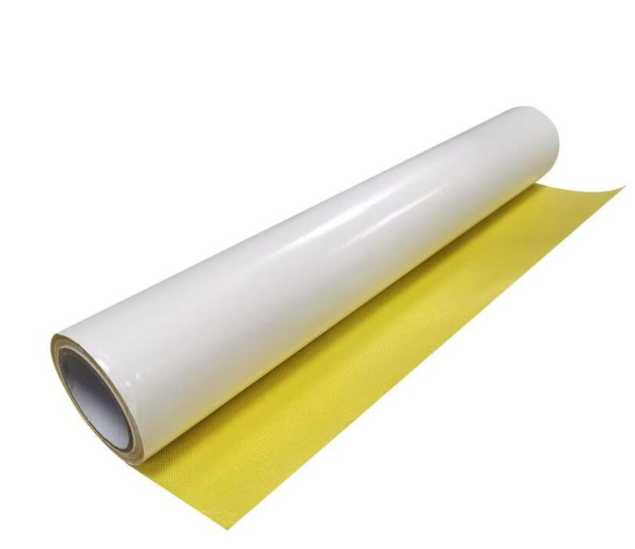
Industrial double sided tape is widely used in manufacturing processes where reliable bonding, clean appearance, and efficient assembly are important. From electronics components and industrial equipment to product mounting applications, adhesive tape can provide an alternative solution to traditional mechanical fastening methods.
However, selecting the right tape is not simply about choosing the strongest adhesive. The final bonding performance depends on several factors, including the materials being joined, surface conditions, production environment, and required service life.
This guide explains how manufacturers and engineers can select industrial double sided tape for mounting and assembly applications, including common tape constructions, application considerations, and practical testing methods.
For different industrial bonding requirements, F6 provides a range of adhesive tape solutions through its industrial double sided tape product category.
What Is Industrial Double Sided Tape?
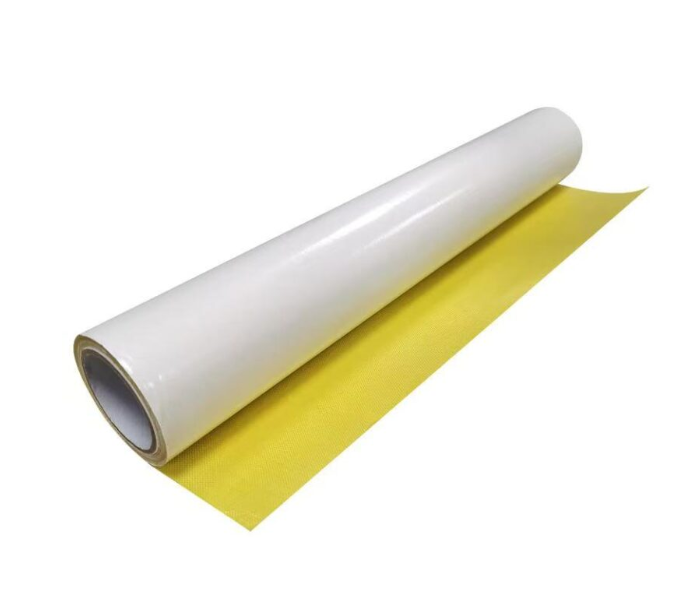
Industrial double sided tape is a pressure-sensitive adhesive tape with adhesive layers on both sides of a carrier material.
Unlike single-sided tape, it creates a hidden bonding layer between two surfaces, which can help improve product appearance and simplify assembly designs.
Depending on the carrier and adhesive system, industrial double sided tape can provide different characteristics, such as:
- Thin and precise bonding
- Gap filling capability
- Vibration resistance
- Surface adaptability
- Long-term holding performance
Common carrier materials include PET film, foam, tissue, cloth, and other engineered structures. Each construction is designed for different industrial requirements.
How to Choose the Right Industrial Double Sided Tape
Before selecting a tape solution, manufacturers should evaluate the actual application conditions.
1. Consider the Bonding Materials
The materials being bonded directly influence tape performance.
Common industrial substrates include:
- Metal
- Plastic
- Glass
- Painted surfaces
- Composite materials
Surface condition, cleanliness, and surface energy can affect adhesive contact. For some low-energy plastics or coated surfaces, additional surface preparation or a different adhesive system may be required.
Testing tape samples on the actual production materials is recommended before moving to large-volume orders.
2. Understand Load Requirements
Different applications create different stress conditions.
For example:
Shear Loading
Shear forces act parallel to the bonded surface and are common in many mounting applications.
Examples include:
- Component fixing
- Panel mounting
- Equipment assembly
Peel Loading
Peel forces concentrate stress at the edge of the bond.
Applications exposed to repeated peeling forces may require a different tape structure, larger bonding areas, or more flexible adhesive solutions.
3. Consider Production Environment
Industrial applications often involve changing conditions.
Important factors include:
- Temperature variation
- Humidity
- Vibration
- Chemical exposure
- Long-term aging
A tape that performs well under laboratory conditions may require additional validation before being introduced into a production line.
Common Industrial Double Sided Tape Constructions
PET Double Sided Tape
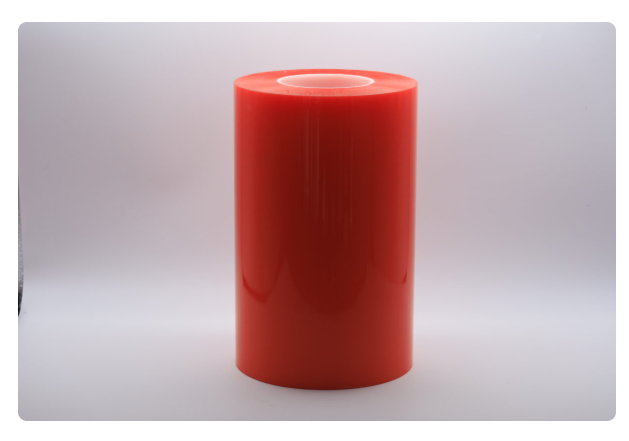
PET-based double sided tape provides a thin and stable structure, making it suitable for applications requiring accurate positioning and a clean bond line.
Typical applications include:
- Electronics assembly
- Nameplate mounting
- Thin component bonding
- Surface protection applications
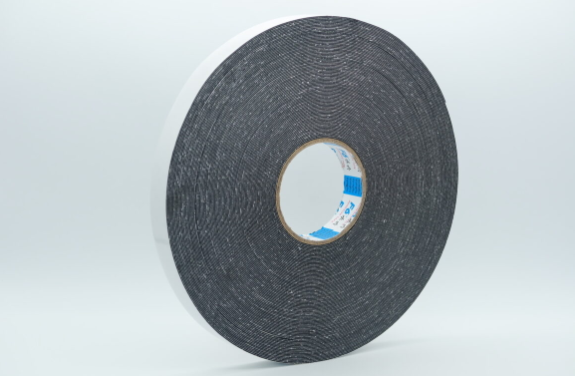
Foam Double Sided Tape
Foam double sided tape is often selected when applications require cushioning, gap filling, or improved contact with uneven surfaces.
Typical uses include:
- Panel mounting
- Sign installation
- Industrial equipment assembly
- Automotive component bonding
For applications where surface irregularities and vibration absorption are important, F6 provides foam double sided tape solutions designed for different mounting requirements.
Plate Mounting Tape
Plate mounting tape is commonly used in applications requiring stable positioning and consistent mounting performance.
It can be used for:
- Printing-related applications
- Plate fixing
- Industrial positioning processes
F6 also provides plate mounting tape solutions for specific industrial mounting needs.
Industrial Double Sided Tape Applications
Electronics Manufacturing
Electronics production often requires adhesive solutions with accurate positioning and a clean appearance.
Industrial double sided tape can be used for:
- Internal component mounting
- Display-related assembly
- Lightweight part fixation
Automotive Applications
Automotive manufacturing requires consideration of vibration, temperature changes, and long-term durability.
Double sided adhesive solutions may be used for:
- Interior component mounting
- Decorative trim attachment
- Part positioning
Industrial Equipment Assembly
For industrial equipment and machinery, adhesive tape can support:
- Component fixing
- Protective part installation
- Assembly positioning
The correct tape selection depends on the weight, environment, and expected service conditions.
Testing Industrial Double Sided Tape Before Production
Before approving a tape for mass production, manufacturers should evaluate samples under realistic conditions.
A practical testing process includes:
Test on Actual Substrates
Use the same materials and surface conditions as the final product.
This helps avoid differences between laboratory testing and real production performance.
Confirm Application Process
Important factors include:
- Application pressure
- Bonding time
- Assembly speed
- Production temperature
Evaluate Bond Performance
Testing may include:
- Peel adhesion
- Shear performance
- Environmental exposure
- Residue inspection
ASTM D3330 and ASTM D3654 are commonly referenced methods for evaluating peel adhesion and shear adhesion of pressure-sensitive tapes. More information is available from ASTM International.
Industrial Double Sided Tape vs Mechanical Fastening
Compared with screws, clips, and other mechanical fastening methods, adhesive tape can provide several advantages in suitable applications.
Cleaner Product Design
Hidden bonding can improve product appearance by reducing visible fasteners.
Simplified Assembly
Tape application may reduce additional drilling, fixing steps, or assembly complexity.
Flexible Design Options
Thin adhesive structures can support lightweight and compact product designs.
However, tape selection should always be based on application testing and engineering requirements.
Industrial Double Sided Tape Solutions from F6
Selecting the right tape often requires balancing product requirements, application conditions, and production needs.
F6 supports industrial customers with adhesive tape solutions for:
- Mounting applications
- Assembly processes
- Customized requirements
- Different industrial bonding scenarios
Manufacturers can review available product families through the F6 adhesive tape products page and select suitable solutions based on their application requirements.
Industrial Double Sided Tape Selection Checklist
Before confirming a tape solution, buyers and engineers should review:
- What materials need to be bonded?
- What type of load will the joint experience?
- Are temperature and environmental conditions controlled?
- Is a thin film or foam construction more suitable?
- Does the supplier provide samples and technical information?
- Can the product support long-term production requirements?
A structured selection process helps manufacturers reduce trial-and-error and choose a suitable industrial bonding solution for their applications.
FAQ
What is industrial double sided tape used for?
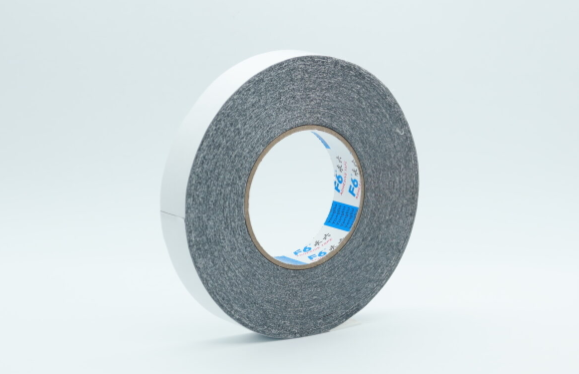
Industrial double sided tape is commonly used for mounting, bonding, positioning, and assembly applications in industries such as electronics, automotive, and industrial manufacturing.
How do I choose the right double sided industrial tape?
The selection depends on substrate materials, load conditions, environment, and production requirements. Testing samples on the final application is recommended.
Is foam double sided tape better than regular double sided tape?
Not always. Foam tape is often preferred for uneven surfaces and cushioning requirements, while thin film tape may be better for precise and low-profile bonding applications.
Can industrial double sided tape replace mechanical fasteners?
In some applications, adhesive tape can reduce the need for mechanical fasteners. However, suitability depends on design requirements and performance testing.