Canada
 USA
USA Japan
Japan


Industrial Adhesive Tape Supplier: A Manufacturing Buyer’s Guide

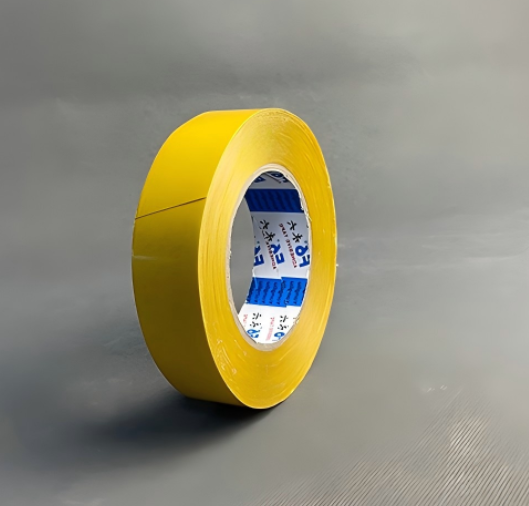
Choosing an industrial adhesive tape supplier is not simply a matter of comparing price per roll. For manufacturing companies, importers, and distributors, the supplier should be evaluated based on tape constructions, converting capability, quality control, application testing, and support from sampling through bulk production.
This is especially relevant when sourcing from overseas. Buyers in Africa and other international markets may also need to consider shipping conditions, temperature and humidity during storage, packaging, lead times, and communication throughout the supply chain.
This guide explains what to check before selecting a supplier and how to compare industrial adhesive tape options for different manufacturing applications.
What to Look for in an Industrial Adhesive Tape Supplier
A supplier can affect more than the purchase price. Tape construction, adhesive formulation, slitting accuracy, packaging, and batch consistency can all influence how smoothly a tape performs during production.
Before requesting a large quotation, check five areas:
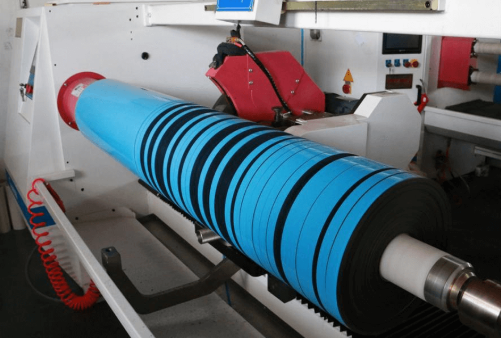
- Manufacturing capability: Ask about coating, slitting, rewinding, and other converting processes relevant to your order.
- Product range: Check whether the supplier can offer different carriers and adhesive systems for different applications.
- Quality control: Request technical data sheets, batch information, inspection procedures, and applicable test reports.
- Sampling and customization: Confirm whether the supplier can provide samples, different widths, roll formats, or die-cut solutions.
- Export support: For international orders, discuss packaging, shipping terms, documentation, and expected production lead time before placing an order.
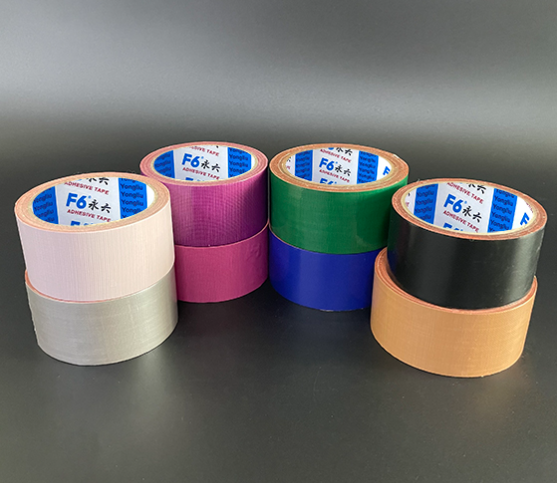
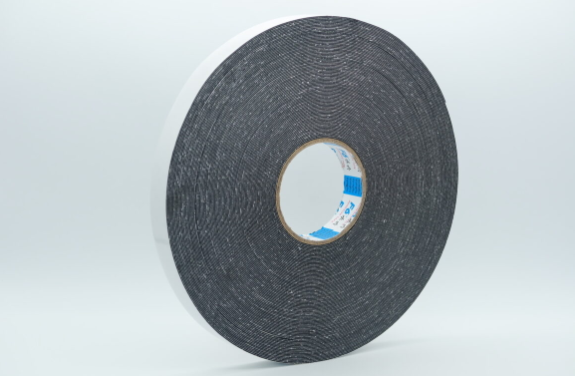
For example, F6 provides several tape categories, including industrial double sided tape, foam double-sided tape, holding tape, duct tape, and plate mounting tape. A broader product range can make it easier for buyers to compare constructions for different manufacturing applications.
Which Industrial Adhesive Tape Construction Should You Choose?
There is no single tape construction that fits every manufacturing process. The choice depends on the substrates, bonding requirements, application method, environmental conditions, and whether the tape is intended for permanent or temporary use.
| Tape construction | Typical characteristics | Common applications |
|---|---|---|
| Foam double-sided tape | Conformability, cushioning and gap compensation | Panel mounting, trim and component bonding |
| PET double-sided tape | Thin carrier with dimensional stability | Electronics, labels, nameplates and general assembly |
| Tissue double-sided tape | Thin construction and easy converting | Lamination, mounting and component fixing |
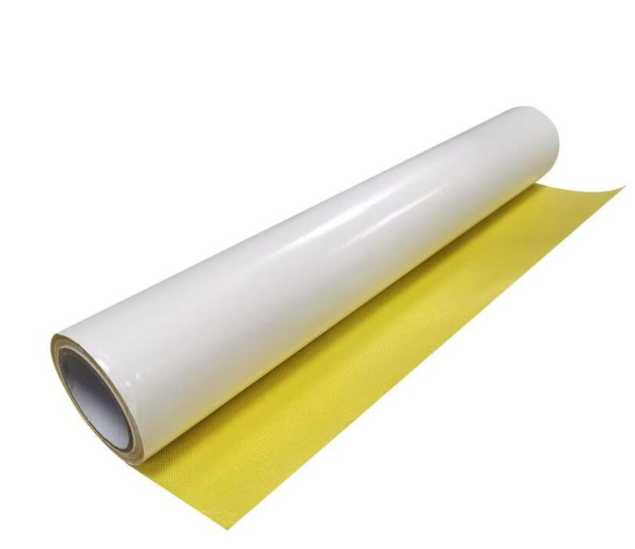
| Fiberglass reinforced tape | Reinforcement and mechanical strength | Bundling, fixing and industrial applications |
| Holding tape | Designed for temporary positioning or securing | Appliances, transportation and assembly processes |
Actual adhesion, temperature resistance, thickness, and shear performance depend on the specific grade. Buyers should therefore compare technical data and conduct application testing rather than selecting a tape based only on its product category.
Examples of Industrial Tapes to Compare
When evaluating an industrial adhesive tape supplier, reviewing actual products can make the sourcing process more practical.
For applications requiring a reinforced double-sided construction, F202 Mesh Fiberglass Double Sided Tape is one option to evaluate. It uses a fiberglass mesh backing and is listed for permanent bonding applications involving materials such as acrylic, wood, aluminum, laminates, and metal.
Another reinforced option is F203 Striped Fiberglass Double Sided Tape, which uses a striped fiberglass backing and can be considered where reinforcement is relevant to the bonding application.
For applications involving foam, rubber, plastics, or certain assembly processes, F500 Heat Resistance Tissue Double Sided Tape uses a tissue paper backing with acrylic adhesive. Its listed applications include foam materials, rubber and plastics, automotive-related applications, and electronic or appliance assembly.
Where low VOC and low odor characteristics are part of the purchasing specification, buyers can also evaluate F506 Low VOC & Low Odor Tissue Double Sided Tape.
For applications where a transparent polyester carrier is useful,F6965 Transparent PET Double Sided Tape is another product to compare. It is listed for applications involving plastic materials, metal surfaces, displays, industrial mounting, decorative trims, and other applications.
These examples are starting points for evaluation rather than automatic recommendations. The final choice should be based on the actual substrate, application process, environmental exposure, and required performance.
If you need to compare additional constructions, the F6 Industrial Double Sided Tape range provides a broader selection of industrial double-sided tape types.
Questions to Ask Before Buying in Bulk
A good RFQ should contain more than the product name and quantity. Ask the supplier for information that allows your engineering or purchasing team to make a meaningful comparison.
- What carrier and adhesive system does the tape use?
- What thicknesses, widths, roll lengths, and core sizes are available?
- What converting tolerances can be maintained?
- Can samples be supplied using the same construction proposed for bulk production?
- What are the MOQ and normal production lead time?
- Can the supplier provide test reports or technical data for the requested grade?
- What packaging is recommended for long-distance export?
- Can batch or lot information be provided for production orders?
For buyers sourcing from China, these questions are useful when comparing a factory-direct tape supplier with a trading company or distributor. Buyers can also review the broader F6 adhesive tape product range to identify potential tape constructions before sending an RFQ.
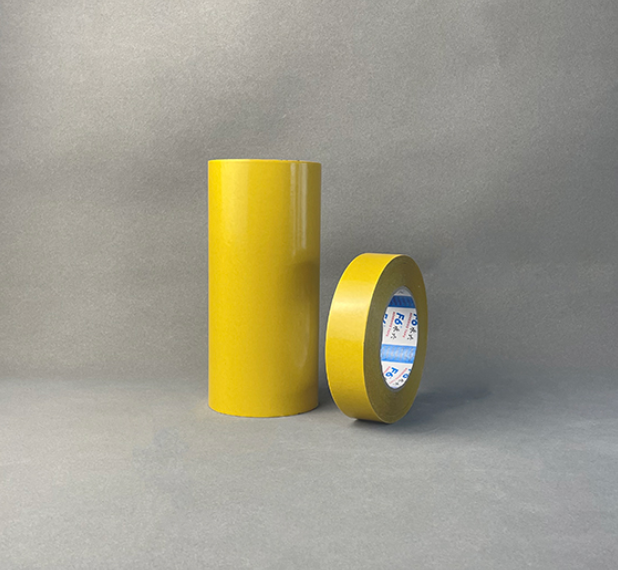
Testing an Industrial Adhesive Tape Before Mass Production
Technical datasheets are useful for initial screening, but production trials can reveal issues that laboratory specifications do not show. A tape that performs well on stainless steel, for example, may behave differently on painted metal, polypropylene, foam, glass, or another production substrate.
Depending on the application, your evaluation may include:
- Peel adhesion
- Static shear
- Initial tack
- Temperature exposure
- Humidity or aging tests
- Residue after removal
- Application speed and unwind behavior
For standardized peel-adhesion testing, buyers can review ASTM D3330/D3330M:
https://store.astm.org/d3330_d3330m-04r25.html
The standard provides test methods for peel adhesion of pressure-sensitive adhesive-coated tape.
For electrical insulation applications, buyers can also review ASTM D1000:
https://store.astm.org/d1000-24.html
This standard covers test methods for pressure-sensitive adhesive-coated tapes used in electrical and electronic applications.
The important point is not simply asking whether a supplier “passes ASTM.” Request the test method, substrate, conditioning, test result, and sample construction so your team can judge whether the data is relevant to the intended application.
Consider Climate and Logistics When Sourcing for Africa
For African importers, distributors, and manufacturers, product selection is only one part of the sourcing decision. Depending on the destination and application, tapes may experience high temperatures, humidity, dust, long transport periods, or storage conditions that differ from those at the manufacturing plant.
Before ordering, discuss:
- Recommended storage temperature and humidity
- Packaging suitable for ocean or long-distance transport
- Protection against moisture and contamination
- Expected shelf life and stock rotation
- Container loading and carton dimensions
- Production lead time and shipping schedule
For distributors serving markets such as South Africa, Nigeria, Kenya, Egypt, Ghana, or other African manufacturing centers, these details can be useful when planning inventory and selecting tape grades for local customers.
For example, a distributor may want to compare several constructions within the industrial double-sided tape category rather than purchasing a single grade based only on price.
The same principle applies to buyers in Southeast Asia, the Middle East, Europe, and other export markets: evaluate the complete supply chain rather than the tape price alone.
How Quality Management Supports Supplier Evaluation
Quality documentation can help buyers understand how a supplier manages production. ISO 9001 provides a framework for quality management systems and includes areas such as process management, performance evaluation, and continual improvement.
Buyers can review the official ISO 9001 standard information here:
https://www.iso.org/standard/62085.html
Certification should not replace product testing, however. Ask the supplier how quality controls are applied to the specific tape you are purchasing, including incoming materials, coating, slitting, inspection, and batch traceability.
For buyers who want to understand the available product categories, manufacturing focus, and sourcing options, the F6 adhesive tape website provides an overview of its industrial tape range.
How to Compare the Total Cost of a Tape Supplier
The lowest price per roll is not always the lowest procurement cost. When comparing an industrial adhesive tape supplier, consider the complete cost of using the material:
- Unit price and minimum order quantity
- Shipping and packaging
- Sample and qualification costs
- Slitting or converting requirements
- Production waste
- Application labor
- Potential replacement or rework costs
For high-volume manufacturing, a different tape construction may be worthwhile if it improves application speed, reduces waste, or fits an automated process more effectively. These benefits should be verified through production trials rather than assumed from supplier marketing claims.
A Practical Supplier Qualification Checklist
Before approving an industrial adhesive tape supplier, procurement and engineering teams can use this checklist:
- Define the substrates and bonding conditions.
- Identify the required tape construction and thickness range.
- Request technical datasheets and representative samples.
- Test the tape on actual production substrates.
- Confirm converting tolerances and roll specifications.
- Review relevant quality and compliance documentation.
- Check MOQ, lead time, packaging, and export arrangements.
- Run a pilot order before moving to regular bulk purchasing.
At this stage, buyers can narrow down suitable grades through the F6 product catalog and then request samples based on their actual application requirements.
This process helps distinguish suppliers that simply offer a catalog of tapes from suppliers that can support a repeatable manufacturing application.
Explore Industrial Adhesive Tape Options from F6
If you are comparing tape constructions for manufacturing, the F6 adhesive tape product catalog is a practical starting point for reviewing different tape categories.
For industrial bonding applications, buyers can also explore the Industrial Double Sided Tape collection, which includes constructions such as tissue, PET, mesh fiber, PVC, transfer, non-woven, and cloth double-sided tapes.
Individual products can then be compared based on thickness, backing, adhesive type, temperature range, dimensions, and intended application.
For international buyers, including importers and distributors in Africa, the Middle East, Southeast Asia, Europe, and North America, providing the application, substrate, required dimensions, estimated quantity, and target delivery market can help make the initial supplier discussion more efficient.
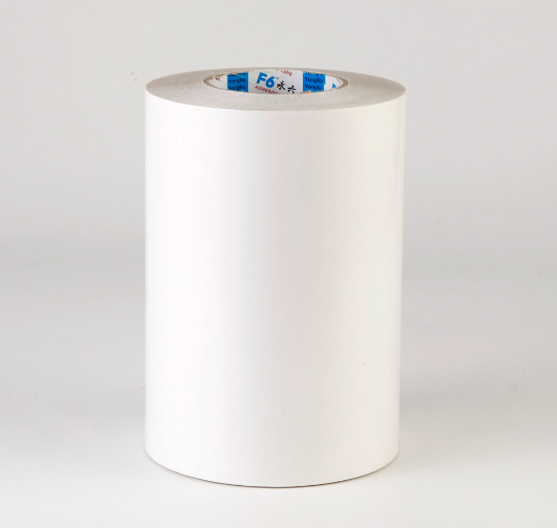
FAQ
How do I choose an industrial adhesive tape supplier?
Compare product range, manufacturing and converting capability, quality documentation, sample support, MOQ, lead time, and export experience. The supplier should also be able to provide information relevant to your actual application.
Is a China industrial adhesive tape supplier suitable for African buyers?
China can be a practical sourcing market for industrial adhesive tapes, but buyers should evaluate suppliers individually. Check product consistency, samples, export packaging, lead times, documentation, and communication before placing a large order.
Should I test adhesive tape before ordering in bulk?
Yes. Application testing is recommended because adhesive performance can change with the substrate, surface preparation, pressure, temperature, humidity, and application process.
What information should I include in an adhesive tape RFQ?
Include the substrate materials, tape type, thickness, width, roll length, application temperature, required performance, quantity, packaging requirements, and destination market. Photos or drawings of the application can also help the supplier recommend a suitable construction.
Where can I compare F6 industrial adhesive tapes?
You can start with the F6 product catalog to compare available tape categories and then review specific grades based on your application requirements.
For industrial double-sided applications, the Industrial Double Sided Tape category provides additional product options for comparison.